
Faith, Healing, and Hope: Stories from Our Medical Missions
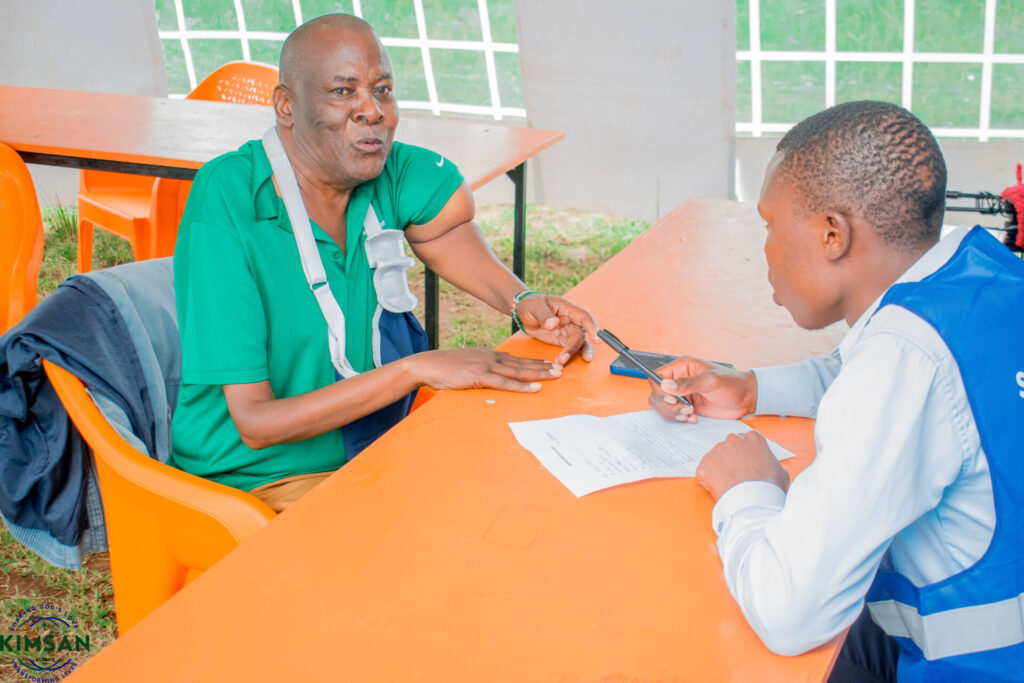
When faith meets compassion, something powerful happens. At KIMSAN, our medical missions are more than just health clinics—they’re sacred encounters. Every bandaged wound, every prayer whispered, every pint of donated blood carries the love of Christ into homes, hearts, and entire communities. In 2024, our Migori Medical Missions were a shining example of that love in action. Held across November and December, these camps became a life-saving outreach and a Gospel-centered witness rolled into one. The Purpose: Bringing Healthcare Where It’s Needed Most In many parts of Migori County, access to healthcare is limited. High costs, remote locations, and lack of awareness prevent thousands from getting the help they need. That’s where KIMSAN stepped in. Goals of the Migori Medical Camps: “We don’t separate the physical from the spiritual. We believe in healing the body and soul—together.” – KIMSAN Medical Outreach Coordinator Services Offered During the Camp Thanks to the generous support of our partners—Life Care Hospital, the County Government of Migori, and private healthcare providers—we delivered a wide range of services: “This camp helped restore not just my health—but my hope.” – Local Beneficiary, Suna West 600 Patients Served… and 100 Pints of Blood Donated In just a few days, 600 individuals received direct medical care. Our doctors and volunteers worked tirelessly, despite a shortage of supplies, to ensure everyone was treated with dignity and love. But one of the most inspiring moments? Our blood donation drive collected over 100 pints of blood—a massive contribution to Migori’s critical shortage. These donations will save lives in emergencies for months to come. “Donating blood was my way of giving back. I’ve never felt more connected to my community.” – First-time donor, Awendo The Spiritual Impact: Healing the Heart Too Alongside the medical tents were our dedicated evangelism teams, praying with patients, offering words of hope, and sharing the Gospel. One unforgettable testimony came from a shopkeeper who hadn’t been to church in over a decade. After receiving medical care and prayer, he gave his life to Christ right there on the street. Simeon’s House: Caring for the Forgotten Our socio-economic outreach through Simeon’s House was a critical part of this mission. Seniors who often suffer in silence due to poverty or abandonment received: Through this, KIMSAN lives out James 1:27 — “Pure religion is to visit the orphans and widows in their affliction…” What Our Partners Are Saying “This was the most impactful medical camp I’ve witnessed. KIMSAN’s heart for people is genuine and transformative.”— Wycliffe Omondi Odhiambo, Medical Technologist “From free lab tests to nutritional advice, people were treated with compassion and care. We pray this continues and grows.”— Community Health Worker, Kuria East
Missions Without Borders: Our Journey into the DRC
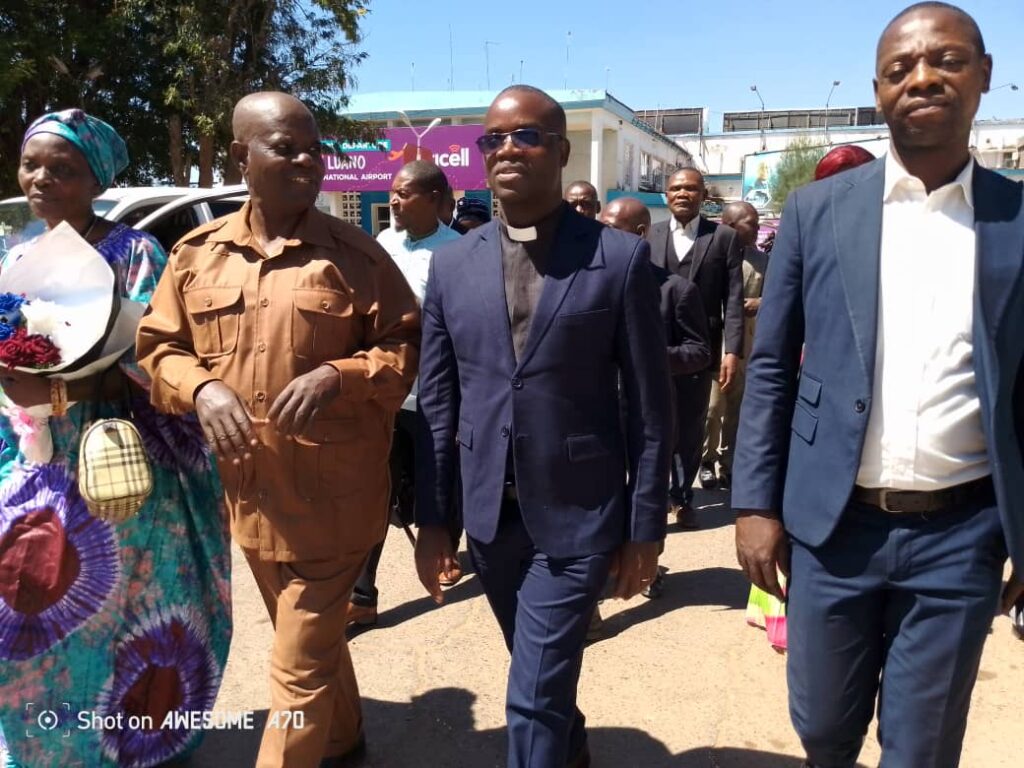
When KIMSAN first set foot in the Democratic Republic of Congo (DRC), it wasn’t just a visit—it was a vision. A divine assignment to bring the Gospel, empower leaders, and spark transformation in a land rich in culture, but hungry for truth. Our journey to Lubumbashi, DRC’s second-largest city, marked a turning point in our call to go beyond borders with the Gospel of the Kingdom. A Mission Born from Invitation The mission began when local church leaders in Lubumbashi extended an invitation for KIMSAN to support their efforts. They didn’t ask for handouts—they asked for training, discipleship, and spiritual partnership. And so, Rev. Cephas Ssenyonjo, accompanied by a small but determined team, set off to answer that call. What followed was a whirlwind of prayer, preaching, and possibility. Equipping 40 Pastors with Biblical Tools At the heart of the mission was an intensive pastoral training session, led by Rev. Cephas. The focus?“Renewal and God’s Greatness” based on Isaiah 40:27–31. Over 40 local pastors from various denominations gathered for this rare opportunity. In a region where theological training is scarce and sometimes overshadowed by traditional and animistic influences, this moment was sacred. They were trained in: Pastors openly shared how they had long desired this kind of structured, doctrinally sound training—and how eager they were to apply it in their communities. Strategic Conversations for a Long-Term Presence Beyond the classroom, KIMSAN held several strategic meetings with local church networks and ministry leaders. The goals? These weren’t just talks. They were the first stones laid in building a Gospel bridge between East and Central Africa. Spiritual Hunger in a Complex Culture Lubumbashi, though known for its mineral wealth, faces deep social and spiritual challenges: What we found was a deep hunger for authentic, Scripture-based teaching. Many leaders and believers expressed a longing to move beyond cultural religion into a relationship with Christ founded on truth and grace. Future Dreams: A DRC Leadership Pipeline From this mission, a vision began to unfold. KIMSAN is now laying the groundwork for: What Local Leaders Are Saying “We’ve had church buildings for years, but this is the first time someone came to train us to use the Word rightly.” – Local Pastor “KIMSAN has given us hope that transformation can start here and spread across the region.” – Church Leader, Lubumbashi This Is Just the Beginning Our mission to the DRC is far from over—it’s only beginning. The enthusiasm, humility, and hunger we witnessed among Congolese believers tells us one thing clearly: God is moving in Central Africa—and He’s calling us to go further. We don’t take this call lightly. As we plan for the next steps, we’re praying for more laborers, more resources, and more divine doors to open.
What Church Unity Looks Like: A Mission That United 50 Denominations
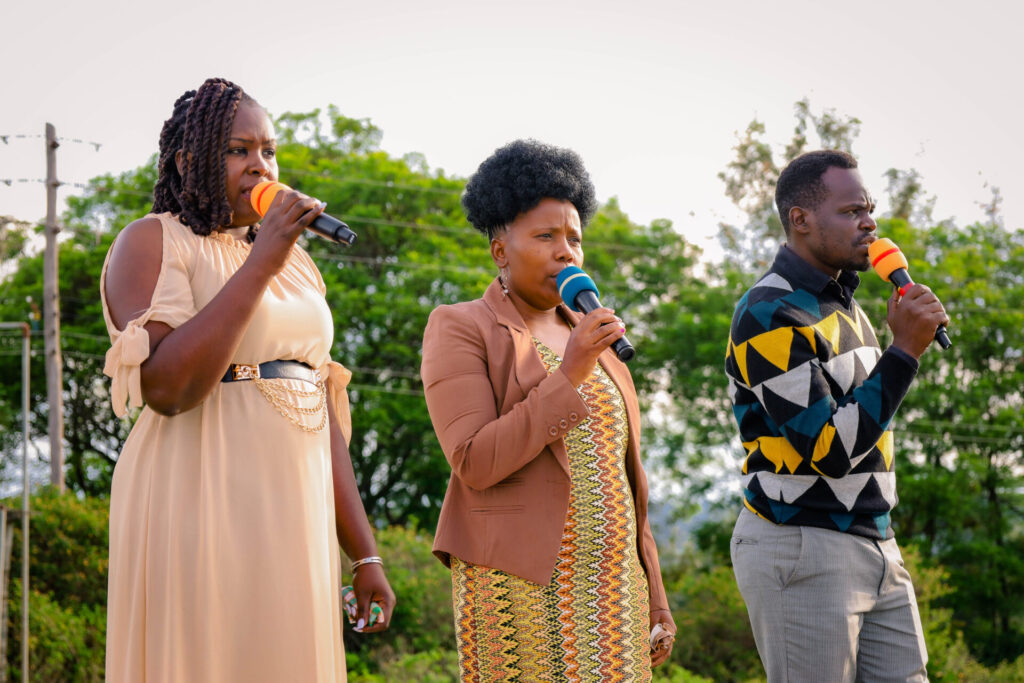
Church unity. It’s a phrase we hear often in ministry circles—but seeing it in action? That’s rare, powerful, and nothing short of divine. In 2024, during KIMSAN’s Migori Mission, that vision became reality. Over 50 churches representing varied denominations came together—not for a conference, not for a networking event, but for something deeper: a shared mission to bring hope, healing, and salvation to their communities. What happened wasn’t just a successful outreach—it was a prophetic glimpse of the Kingdom of God on earth. One Mission, One Body The Migori Mission reached across six sub-counties—Uriri, Awendo, Suna East, Suna West, Kuria East, and Kuria West. These areas are known for their diverse church cultures, often marked by denominational separation and different theological approaches. But during this mission, Anglican, Pentecostal, Baptist, independent, and evangelical churches all came together. This wasn’t just unity in name—it was unity in action. “I’ve never seen such unity among churches in my 15 years here. KIMSAN has shown us the beauty of serving as one body of Christ.” – Local Pastor, Uriri What Made It Work? Intentionality. Structure. Mutual respect. Here’s how KIMSAN helped lay the foundation for such powerful collaboration: 1. Joint Planning Committees KIMSAN formed a mission taskforce with representation from multiple church networks. Each denomination had a voice in planning and decision-making. This created a sense of ownership across the board. 2. Pastoral Forums and Prayer Breakfasts Leaders came together not just for logistics—but to pray and seek God for the mission. This built trust and spiritual alignment before the mission even started. 3. Shared Leadership Roles Workshops, crusades, and outreach activities were co-led by pastors from different churches. From preaching to worship to medical camp coordination—everyone had a place. 4. Unified Outreach Strategy The “Each One Reach One” strategy empowered every church member to take personal responsibility for evangelism—regardless of denomination. This shifted focus from “who’s leading” to “who are we reaching?” The Results of Unity The impact was undeniable. Church unity became the secret sauce behind the mission’s spiritual and social success. “Pastors are now motivated to empower their congregations for soul winning. The mission reminded us that we are not competitors, but co-laborers.” – Bishop Joshua Kangie, Taskforce Chairperson Unity in Diversity: A Kingdom Strategy Unity didn’t mean uniformity. Each denomination kept its identity, but found common ground in Christ and in the mission to make Him known. KIMSAN served as the glue—facilitating conversations, creating systems, and modeling the servant leadership that made this possible. “When we washed feet together in prayer, denominational titles disappeared. We were just sons and daughters of the same Father.” – Youth Pastor, Suna West Sustaining the Fire After the mission, churches committed to: In a place where division once slowed growth, unity now fuels revival. Why This Matters (Now More Than Ever) In today’s polarized world, church unity isn’t just a feel-good goal—it’s a Gospel witness. Jesus prayed: “That they may be one… so that the world may believe.” – John 17:21 What happened in Migori showed what’s possible when the Church becomes the Church. When we stop building walls and start building bridges, revival follows.
7 Powerful Moments from the Migori Mission

In 2024, KIMSAN stepped into Migori County with hearts full of faith and feet ready to walk with purpose. What followed was not just a mission—it was a move of God. Through strategic planning, community partnership, and relentless obedience to the call, the Migori Mission became one of the most impactful outreach campaigns in KIMSAN’s history. Here are 7 unforgettable moments that made this mission a true expression of faith in action: 1. Mobilizing Over 100 Local Churches for a United Cause The foundation of the Migori Mission was unity. Over 100 local churches across six sub-counties—Uriri, Awendo, Suna East, Suna West, Kuria East, and Kuria West—came together with one mission: to share Christ and uplift communities. What made it special?For the first time, Anglican, Pentecostal, Baptist, and independent churches joined hands, transcending denominational lines to demonstrate what it means to be one body under Christ. “I’ve never seen such unity among churches in my 15 years here.” – Local Pastor 2. Training 500 Church Leaders at the Evangelism & Discipleship Summit Held in Uriri, the summit was a two-day spiritual empowerment hub. 500 leaders — including lead pastors, youth leaders, evangelists, and women’s ministry coordinators — were equipped with discipleship strategies, pastoral care insights, and practical ministry tools. Workshops covered: The sessions sparked revival. Leaders committed to monthly accountability groups to sustain the momentum beyond the summit. 3. Reaching Over 30,000 People with the Gospel Through door-to-door evangelism, open-air crusades, school outreaches, and street ministry, more than 30,000 individuals heard the Good News of Jesus. Children’s evangelism alone engaged over 200 young people through songs, Bible stories, and games. Every age, every tribe, and every village heard the message of hope. “This mission has reignited my passion for ministry.” – Summit participant 4. Healing the Body and Soul Through Medical Camps KIMSAN organized three free medical camps in the region. Over 1,000 patients received care—screenings for diabetes, malaria, HIV, cancer; access to medication; and even blood donations. Despite limited supplies, over 100 pints of blood were donated to help fight the county’s medical shortages. This wasn’t just healthcare. It was an extension of Christ’s love. Medical professionals, county officials, and volunteers worked hand-in-hand to bring healing to the body while our missioners brought healing to the heart. 5. Seeing Over 1,200 Commit to Christ The true heartbeat of the mission was salvation. Over 1,200 souls made decisions for Christ, with many more starting discipleship journeys. Each new believer was connected with local churches. Over 60% began attending introductory discipleship classes immediately during the mission. One family of four — broken and struggling with domestic strife — surrendered their lives together during an open-air meeting. Today, they’re a testimony of restoration and healing. 6. Community Service that Opened Doors to Evangelism Beyond the pulpit and crusade mic, missioners cleaned marketplaces, bus stops, and other public spaces—showing that faith is seen in service. These acts of kindness led to organic conversations, street prayers, and moments of spiritual transformation in the most unexpected places. One shopkeeper who had distanced himself from church for over 10 years returned to Christ after witnessing the humility of the team. 7. “Be My Witness” Convention in Molo Reached 5,000 The Migori campaign expanded to neighboring regions, including Molo, where the “Be My Witness” Gospel Convention brought in 5,000 attendees. People walked from distant villages just to hear the Gospel. This convention wasn’t just a meeting — it restored broken relationships, healed emotional wounds, and rekindled faith in entire families. The Legacy Lives On The Migori Mission of 2024 wasn’t just an event—it was a movement. It left a legacy of faith, unity, transformation, and hope. It stirred revival in hearts, renewed purpose in leaders, and planted seeds of the Gospel in thousands. As KIMSAN continues its mission into Vihiga, Nakuru, and beyond, we carry this truth with us: “We are not ashamed of the gospel, for it is the power of God that brings salvation to everyone who believes.” – Romans 1:16
Testimony: How One Wheelchair Changed a Life – Joan Ochuka Ojijo

The radiant smile on her face as she took her first ride in over a decade was a powerful testament to how simple acts of kindness can restore dignity, mobility, and transform lives.” In 2024, amid all the large-scale missions and outreach programs that KIMSAN embarked on, there was one moment that silenced our team with awe and gratitude. A moment that reminded us of why we do what we do. Her name is Granny Joan. Granny Joan, a resilient elderly woman from Nakuru, had spent over a decade without mobility. Due to chronic illness and economic hardship, she had been confined to one place, relying entirely on others for basic movement. For years, the world moved past her window while she remained still—physically, emotionally, and spiritually. But God saw her. Through our Socio-Economic Response Program—particularly Simeon’s House—we identify and care for vulnerable individuals like Granny Joan. This ministry exists to bring not just help, but hope; not just provision, but presence. During a home visit, our team saw her condition and knew this wasn’t just another outreach task—this was a divine appointment. She didn’t ask for much. But her eyes, weary yet hopeful, said everything. What she needed was mobility, independence, and a renewed sense of purpose. Through generous donations and local support, KIMSAN was able to provide her with a brand-new wheelchair. It may seem small—but for Granny Joan, it was everything. When we placed her gently in that seat and wheeled her into the open sunlight, something sacred happened. The neighborhood gathered. Children clapped. Granny Joan smiled. A smile that had been buried under years of pain and isolation now radiated across her face. It wasn’t just about mobility—it was about restored dignity. That day was a sermon without words. It was James 2:15-17 lived out: “If a brother or sister is naked and destitute of daily food, and one of you says to them, ‘Depart in peace, be warmed and filled,’ but you do not give them the things which are needed for the body, what does it profit?” We didn’t just pray—we showed up. And in showing up, God moved. What’s powerful is that this wasn’t a one-off act. It was part of a greater movement—KIMSAN’s vision to build secure, peaceful, and well-managed communities through the Gospel. Through Simeon’s House, Relief Response, and Flourish, we are walking with the elderly, the abandoned, the youth, and the vulnerable in ways that restore, uplift, and transform. Granny Joan’s story is just one among many. But it reminds us that when we meet a need with love, we don’t just fix a problem—we heal a heart. There are countless “Granny Joans” across Kenya, Uganda, and DRC. Your support—whether in prayer, giving, or volunteering—helps us continue reaching them. Let’s keep showing up. Let’s keep believing. Let’s keep changing lives—one story at a time. “Pure religion is this: to visit orphans and widows in their trouble…” – James 1:27 How You Can Continue to Help If you haven’t had the chance to contribute, it’s not too late! Joan still needs continued care, and your donations can help her on this path to recovery. Thank you for your unwavering support and for being a part of Joan’s story of resilience and hope. Together, we are making a difference in her life.
Sharing Your Faith: A Guide to Spreading God’s Love with Confidence

In a world characterized by diverse worldviews and beliefs, sharing one’s faith requires not only conviction but also a strategic approach that resonates with the varied perspectives encountered. The Apostle Paul’s encounter in Athens, as documented in Acts 17:16-34, serves as a timeless guide on confidently sharing the message of Christ amidst different worldviews. Understanding the Diverse Worldviews: The city of Athens, known for its intellectual richness and cultural diversity, provided Paul with a unique platform to engage people with various belief systems. Acts 17:16 describes Paul’s reaction to the city’s numerous idols, stating that he was “greatly distressed” by the prevalence of idolatry. This distress highlights the clash between Paul’s Christian worldview and the polytheistic beliefs of the Athenians. To effectively share his faith, Paul needed to bridge this gap between his understanding of the Gospel and the worldview of the Athenians. In Acts 17:22-23, he tactfully acknowledges their religiosity by commending their devotion but then introduces the concept of an “unknown God.” Paul skillfully uses their own altar to the unknown God as a starting point to build a bridge between their existing beliefs and the Christian message. Confidence in the Gospel: Paul’s confidence in sharing the Gospel is evident throughout his ministry. In Acts 17:31-34, Paul speaks with authority about the resurrection of Jesus, a central theme in the Christian faith. He doesn’t shy away from presenting the exclusive nature of Christ’s redemptive work, emphasizing that God has appointed a day when He will judge the world through Jesus Christ. This confidence stems from Paul’s deep understanding of the Gospel’s transformative power. In 1 Corinthians 2:6-16, Paul reflects on the wisdom of God, emphasizing that the message he preaches is not of human wisdom but of spiritual wisdom revealed by the Holy Spirit. This spiritual wisdom empowers believers to confidently articulate the truths of the Gospel in a way that transcends cultural and philosophical boundaries. Adapting to Different Audiences: In Acts 22 and Acts 26, Paul provides further insights into his approach when sharing his faith. When addressing a Jewish audience in Acts 22, Paul emphasizes his Jewish background and credentials. He speaks their language, establishing common ground by recounting his journey from persecutor to follower of Christ. This personal connection builds a bridge of understanding and credibility.
How to Know Jesus: A Journey of Faith and Discovery

Introduction:In a world filled with diverse beliefs and worldviews, embarking on a journey to know Jesus is a profound and transformative experience. One of the most captivating encounters with Jesus is found in the Gospel of Luke, specifically in the story of Zacchaeus. This case study explores the journey of faith and discovery through Zacchaeus’ encounter with Jesus, offering guidance for those seeking to accept Jesus Christ in their lives. Zacchaeus’ Encounter with Jesus:The account of Zacchaeus is found in Luke 19:1-10. Zacchaeus, a chief tax collector and a wealthy man, had heard about Jesus and was curious to see Him. Due to the crowd surrounding Jesus, Zacchaeus, being of short stature, climbed a sycamore tree to catch a glimpse of the Savior passing by. This simple act of seeking, of climbing a tree to see Jesus, is symbolic of the initial steps one takes in the journey of faith. It reflects the innate longing within us to know something beyond the ordinary, something that transcends the mundane aspects of life. When and How Zacchaeus Received Jesus:As Jesus passed by the tree, He looked up and saw Zacchaeus. To the surprise of everyone, Jesus not only acknowledged Zacchaeus but also invited Himself to stay at Zacchaeus’ house. This encounter was not just a physical meeting but a profound spiritual connection.
In the Spotlight: Meet the Faces Behind KIMSAN

Introduction:Within the complex framework of the Kingdom Missionaries Society for All Nations (KIMSAN), it’s the faces behind the organization that bring its mission to life. From the Team Leader spearheading missions to the Administrative Secretary keeping things in order, each member plays a vital role. Let’s delve into the inspiring stories of the leaders shaping KIMSAN’s impactful journey. Rev. Cephas A. Ssenyonjo – Team Leader and Head of Missions and Church Partnership Department: At the helm of KIMSAN stands Rev. Cephas A. Ssenyonjo, a visionary leader driven by a profound calling. Founded in July 2016, KIMSAN was born from Cephas mission to serve the body of Christ without boundaries. While serving as a Ugandan missionary in the Anglican Church of Kenya, a divine spark ignited the idea of a missionary organization transcending denominations, cultures, and races. Cephas journey is one of surrender and faith. Leaving his position as pastor at St. Luke’s Cathedral in September 2017, he embarked on a mission to make disciples of all nations. Under his leadership, KIMSAN has expanded from a single cathedral parish in Western Kenya to regions across Kenya, Uganda, and Burundi. His commitment to glorifying God by knowing Him alone and making Him known resonates in KIMSAN’s core. The Missions and Church Partnership Department, under his guidance, mobilizes local churches to reach communities with the Gospel of the Kingdom. It’s a testament to Cephas dedication to building secure, orderly, and well-managed societies through the ethics of God’s Word.
From Passion to Purpose: Rev. Cephas A. Ssenyonjo’s Journey
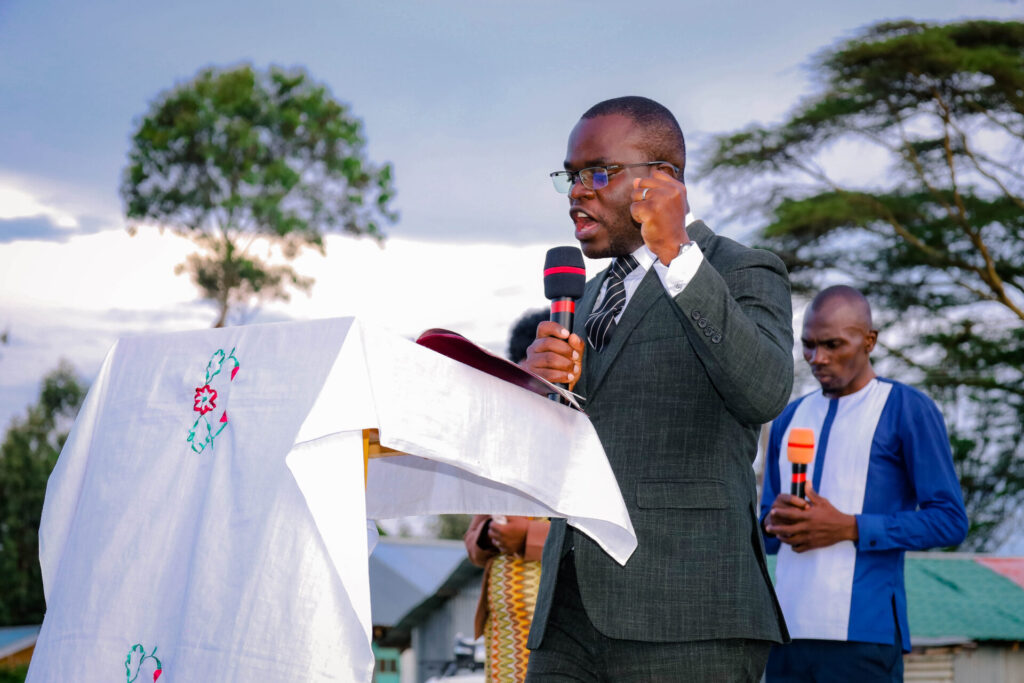
In the tapestry of every impactful organization, there is often a thread woven with passion, dedication, and a profound sense of purpose. Such is the story of Rev. Cephas A. Ssenyonjo, the visionary leader behind the Kingdom Missionaries Society for All Nations (KIMSAN). His journey from passion to purpose is a narrative that not only shaped his life but also birthed a ministry that transcends boundaries. A Divine Calling Rev. Cephas, a Ugandan missionary, found himself serving in the Anglican Church of Kenya, Butere Diocese, under the leadership of the Rt. Rev. Dr. Timothy L. Wambunya. It was during this period that a divine calling took root in his heart—an urging to start a missionary organization that would serve the entire body of Christ without limitations. The Genesis of KIMSAN Founded in July 2016, KIMSAN emerged from a single cathedral parish in Western Kenya to expand its reach across Nyanza and Rift Valley Regions. The organization’s growth wasn’t just geographical; it extended to neighboring countries such as Uganda and Burundi. Rev. Cephas’s obedience to the call paved the way for KIMSAN to become a beacon of hope, guided by the teachings of 1 Corinthians 2:2-5. A Mission to Make Him Known The essence of KIMSAN lies in its mission—to glorify God by knowing Him alone and making Him known among all nations through the Gospel of the Kingdom. This mission isn’t just a statement but a lived reality, as Rev. Cephas leads the charge in cooperation with mission-oriented institutions and individuals in Christ.
Love Beyond Borders: KIMSAN’s Socio-Economic Response in Focus
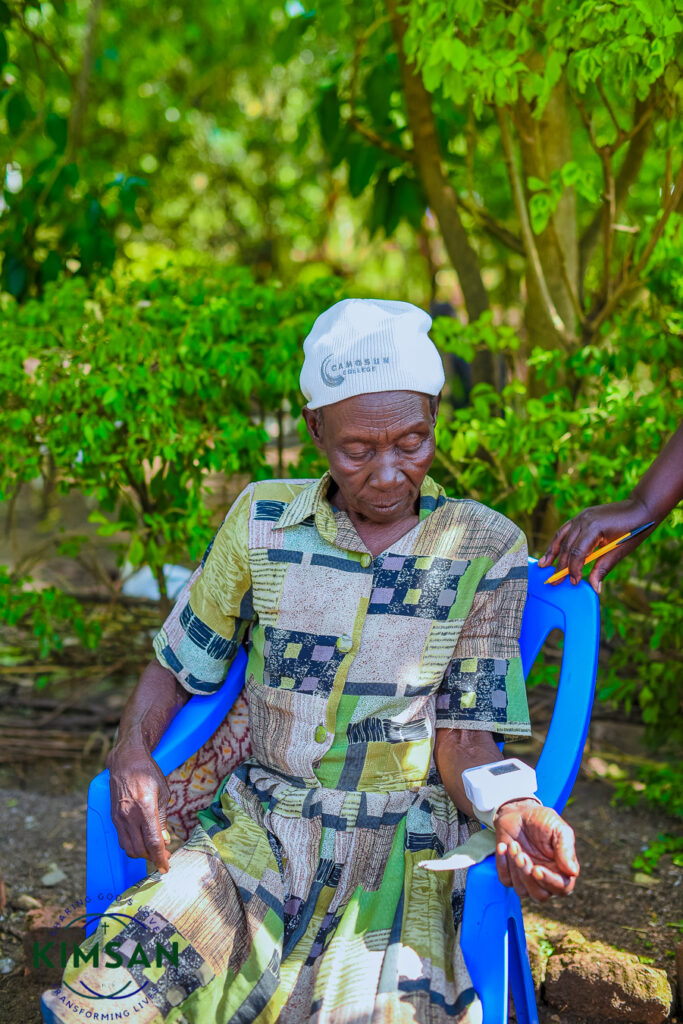
At KIMSAN, we believe the Gospel must not only be preached—it must be lived. And one of the most powerful ways we live it out is through our Social-Economic Response (SER) ministry. This ministry embodies the practical love of God, reaching those in deep need with compassion, dignity, and hope. Whether it’s a grieving widow, an abandoned elder, a child longing for school, or a sick patient in a remote village—SER steps in as the heart and hands of Jesus. In 2024, KIMSAN’s social-economic initiatives impacted hundreds across Nakuru, Kisumu, Migori, and beyond, thanks to partners, volunteers, and the grace of God. The Mission of Social-Economic Response The Social-Economic Response (SER) department focuses on: “We don’t just preach ‘Jesus loves you’—we show it.” Key Programs Within SER The work is carried out through four flagship initiatives: 1. Relief Response In 2024, our Relief Response program supported over 50 homes affected by: We provided: These weren’t just handouts—they were lifelines. Widows, orphans, and the elderly in Kisumu and Nakuru were among the primary beneficiaries.
